
To More Inquiry

Forget the usual weekend escape — this time, let the jungle set the itinerary. Deep inside the forests of Uttarakhand, Jim Corbett Trip brings you closer to raw wilderness, thrilling wildlife encounters, and the untamed beauty of nature. From an early-morning jungle safari and the possibility of spotting a majestic
Bengal tiger to peaceful forest landscapes and riverside moments, Jim Corbett National Park is where adventure meets tranquillity. Whether you’re planning a weekend getaway from Delhi, a family holiday, a couples’ escape or an exciting trip with friends, Corbett turns an ordinary break into a wild experience.
Located in Uttarakhand, Jim Corbett National Park is one of India’s most renowned wildlife destinations and one of the country’s oldest national parks. Established in 1936, it is famous for its diverse ecosystems, rich wildlife, and important role in the conservation of the Bengal tiger.
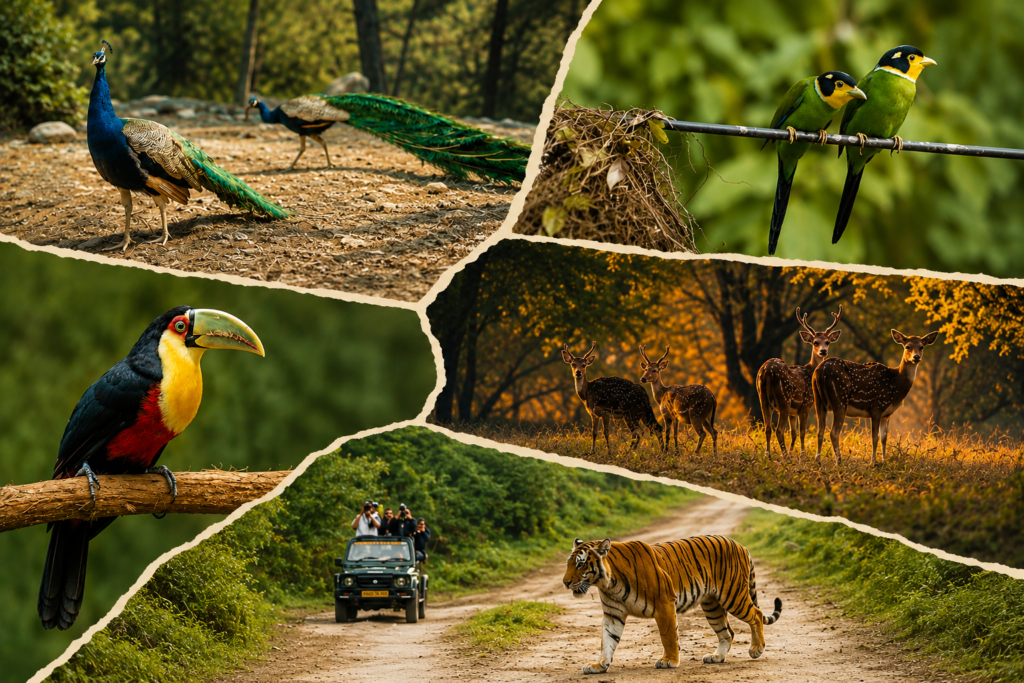
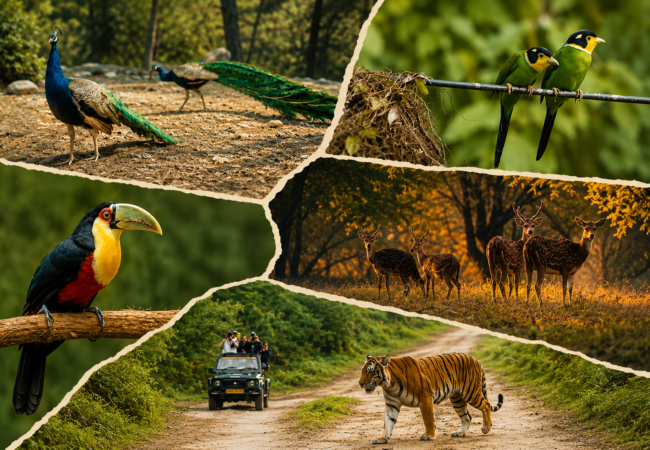
Wondering what to do in Jim Corbett? Start with a thrilling Corbett jungle safari. Ride through the forest in an open safari vehicle and keep your eyes peeled for tigers, elephants, spotted deer, birds, and other wildlife in their natural habitat. Every safari is unpredictable — and that’s exactly what makes it exciting.
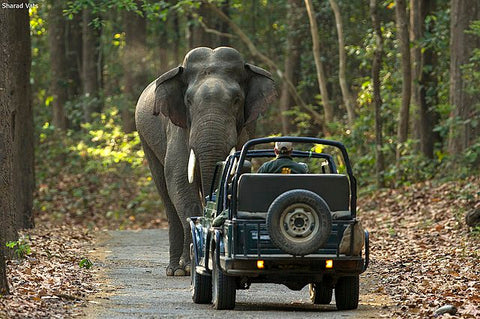
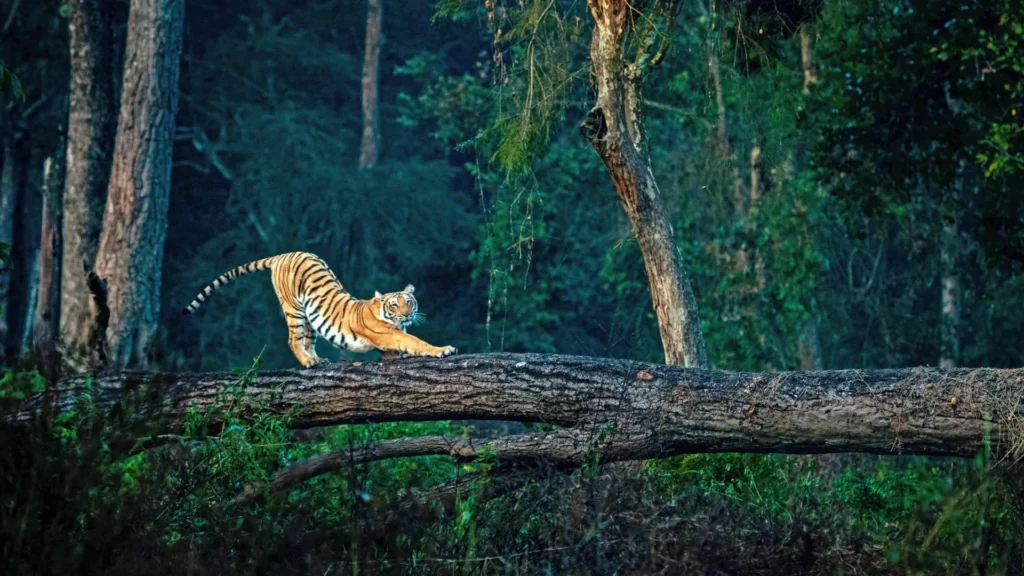
What is Jim Corbett famous for? While its tiger population and wildlife safaris are major attractions, the destination offers much more. The Kosi River, dense sal forests, grasslands and surrounding hills create a stunning natural setting for a peaceful escape.
Wildlife enthusiasts and birdwatchers can explore the region’s incredible biodiversity, while travellers looking for relaxation can unwind at a forest-side resort surrounded by the sounds of nature.
A Jim Corbett National Park trip combines wildlife, adventure and nature in one unforgettable getaway. It’s an ideal destination for families, couples, friends, photographers and anyone who wants to swap city chaos for the call of the wild.
No city noise. No predictable days. Just forests, freedom and the wild.
Jim Corbett is calling. Are you ready to go wild?

TAXES INCL/PERS
TAXES INCL/PERS
TAXES INCL/PERS
TAXES INCL/PERS

TAXES INCL/PERS
TAXES INCL/PERS
TAXES INCL/PERS
TAXES INCL/PERS
TAXES INCL/PERS